Situation
Siemens Digital Industries Software (DISW) provides B2B software and services across industry domains allowing businesses to become more agile, flexible and adaptable from design to production.
As the head of the Experience Design team within Marketing for DISW, my team was responsible for creating touch-points that engaged customers across their journey.
That work was fairly straight forward in the parts of the journey where the customer already knows what solution or solution space they need. Earlier in their journey, customers are still creating their mental models to better understand their own challenges. At this stage, the work of creating an exceptional user experience is more challenging.
Our website contained a wealth of valuable content, but customers struggled to find what was relevant to their needs and stage in the customer journey. This resulted in low content consumption, a frustrating user experience, and lost opportunities to engage potential and current customers. We lacked a cohesive strategy for guiding users through our content, leading to a disjointed and inefficient experience. Stakeholders were focused on individual pieces of content rather than the overall customer journey.
Task
I spearheaded the “Finder” project from concept to implementation. My task was to lead the research and design of a solution that would improve content discoverability and personalize the customer journey. This involved leading cross-functional teams, securing stakeholder buy-in, and overseeing the entire project lifecycle from ideation to implementation. The goal was to dramatically increase customer engagement with our content and drive them further down the purchase funnel. A key challenge was aligning disparate stakeholder perspectives and creating a unified vision for the customer experience.
Action
I took several key actions:
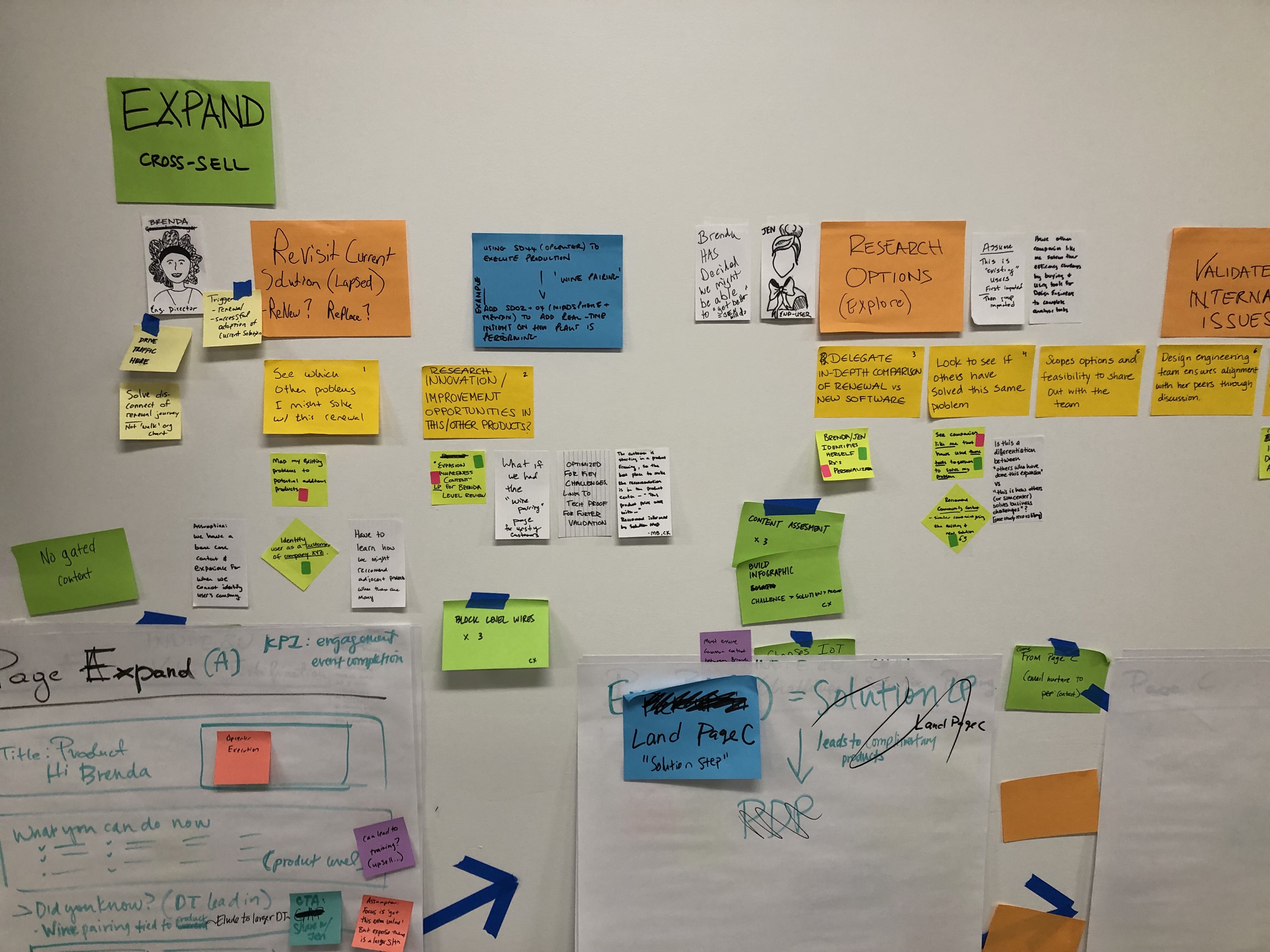
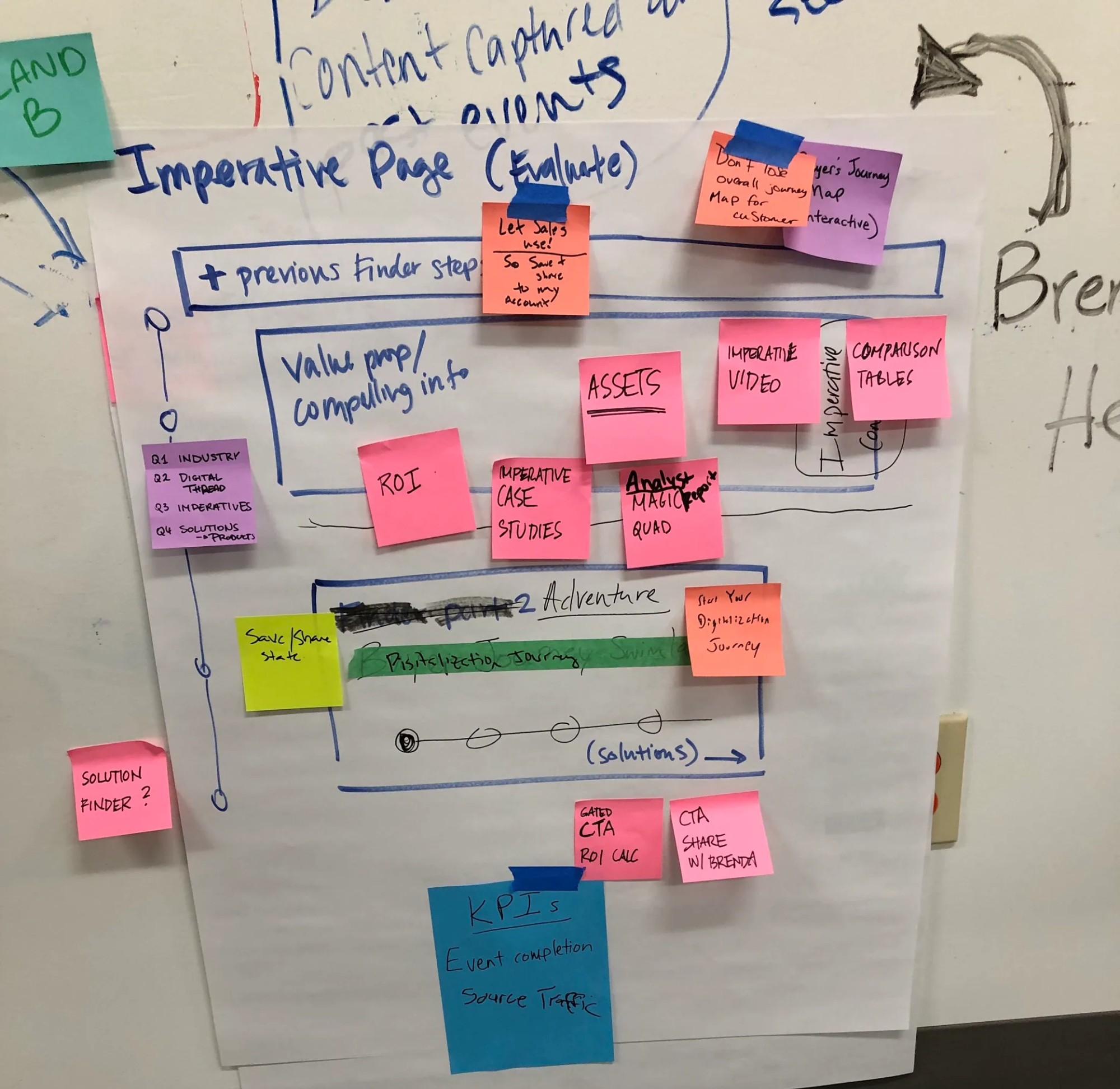
- Initiated and Led Workshops — I initiated and led internal workshops to identify customer pain points related to content navigation and consumption. This involved gathering insights from various teams and fostering a collaborative environment.
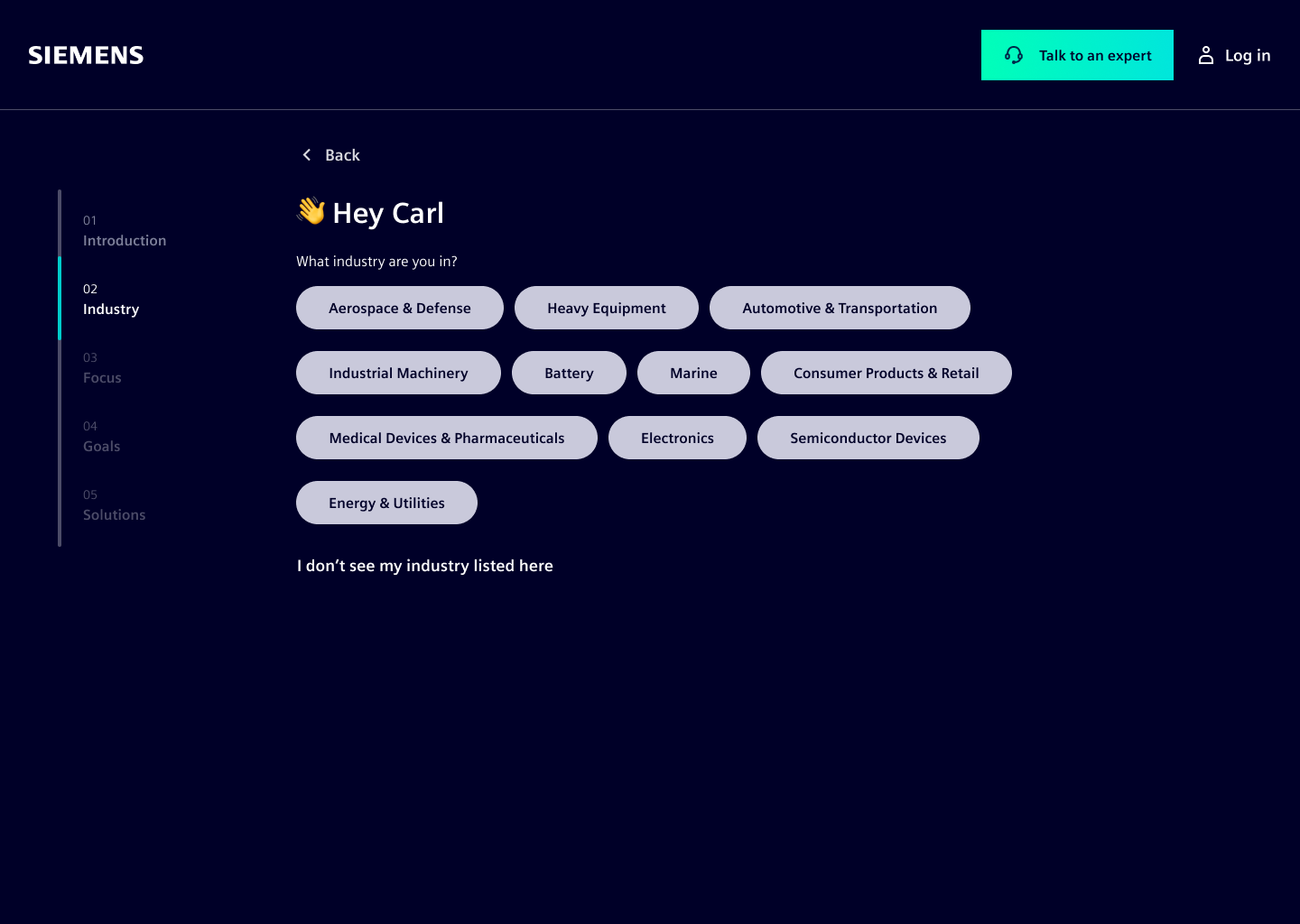
- Developed the “Finder” Concept — Based on the workshop findings, including my own initial concept, I oversaw the development of “Finder,” a CMS component designed to provide personalized content recommendations.
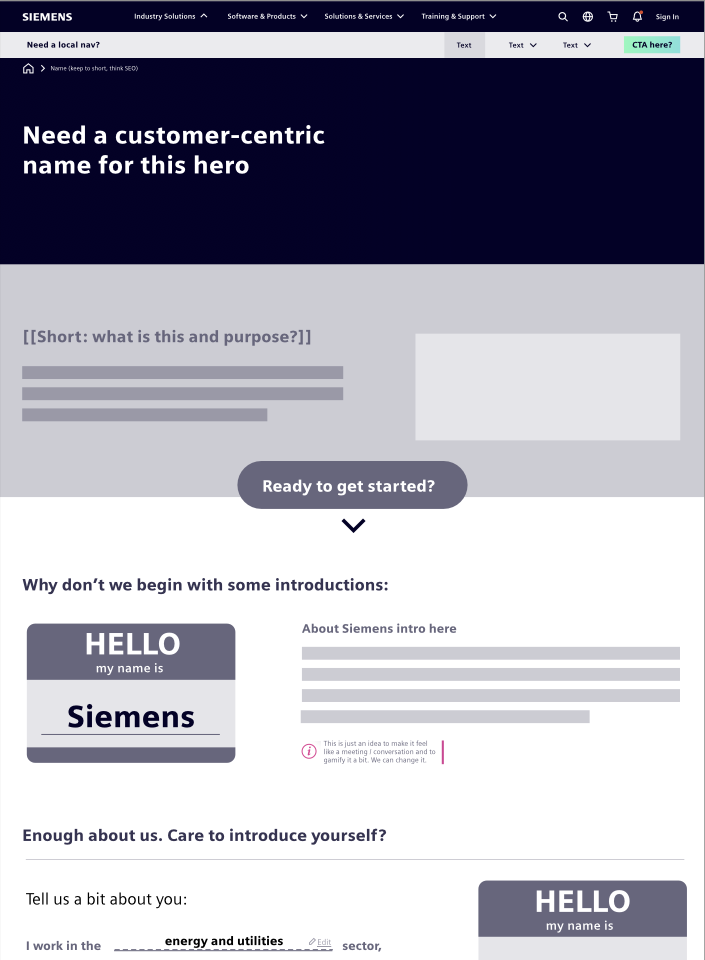
- Shepherded the Concept from Ideation through Adoption — I managed the research, design processes, sat in with the teams as it went in through development to ensure the development matched the concept and that user feedback was incorporated at each stage. This included wireframing, prototyping, and user testing.
- Championed the “Mini Finder” Strategy — When the team became bogged down in the complexities of aligning every piece of content with every possible customer question, I intervened and championed the “mini finder” strategy. This agile approach allowed us to validate the core concept quickly and efficiently, focusing on getting the customer to the next step in the funnel. This involved refocusing the team on a smaller, more manageable problem and proving the value of personalized recommendations before scaling the solution.
- Facilitated Cross-Functional Alignment — I facilitated cross-functional workshops to align teams on common goals and foster collaboration. This was crucial for overcoming the challenges posed by disparate stakeholder perspectives.
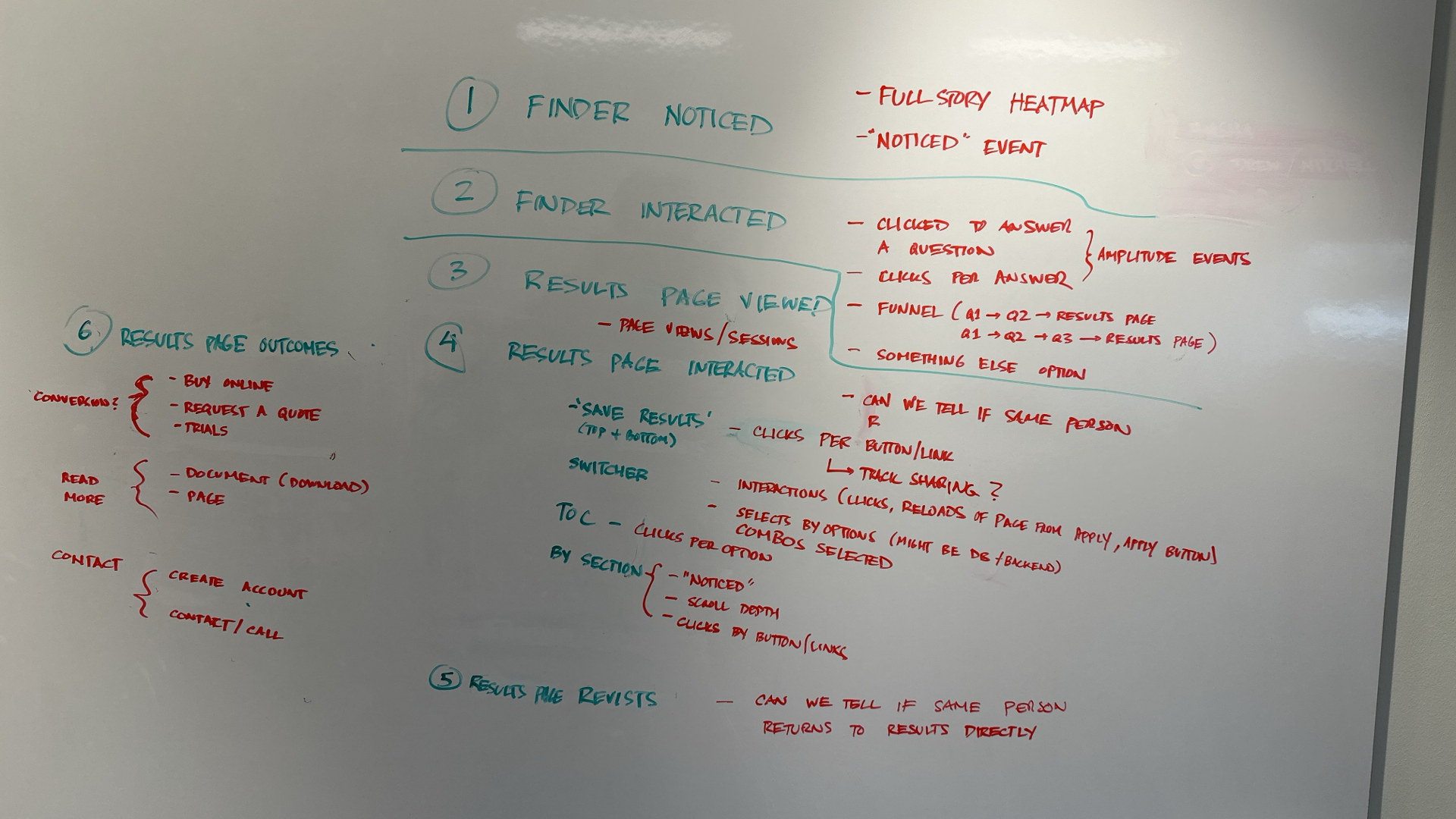
- Established Success Criteria — Initially the success criteria was undefined, I drove our Product and Analytics teams to construct a tiered group of measures to assess the performance of the effort.
Results
The “Finder” project is still being vetted, but early indications are promising:
- Dramatically Reduced Clicks to Content — In user testing, we saw a substantial reduction in the number of clicks required to access relevant content. For example, accessing information related to “Intro to Mechanical Design” went from 77 clicks to just 4. This demonstrates a significant improvement in content discoverability.
- Improved Customer Journey — From our preference testing customer shared that “Finder” facilitated a smoother and more intuitive customer journey, guiding users toward solutions that addressed their specific needs. This laid the groundwork for increased customer engagement.
- Increased Potential for Conversions — Through user testing, more people were seeing content that was further down the funnel, including “Buy” options. By improving content discoverability and personalization, “Finder” positions us to drive higher conversion rates and build stronger relationships with our target audience.
- A/B Testing — We build a fixed option version of finder (no back-end calls) to A/B test the solution. This is our final milestone to calling it a win and scaling it across our sites with deep integration to our taxonomy and an AI driven effort to create questions and options. Initial data indicates (low statistical confidence) that:
- 50% percent of users who interact with “Finder” arrive at a results page that presents them with leads further into the funnel content (trials, purchase…).
- ~20% of that group is converting to those leads.