Situation
Bosch Center for Artificial Intelligence had developed a Deep Learning infrastructure that we believed would be a powerful enhancement for vehicle infotainment systems.
In Bosch’s funding model, Regional Business Units like Car Multimedia, North America, are responsible for finding development partners to bring promising technologies to market.
The team struggled with getting buy-in from regional OEMs; I proposed to CM/NA CEO and his executive team that we could use design thinking processes and methods to uncover compelling user scenarios that could help regional OEMs see the value in the ML-driven infotainment.
Task
Discover user scenarios that prove ML-driven infotainment solutions’ value to vehicle OEMs and their customers.
Action
We began the project with desktop research to better understand which OEMs and platforms we should focus on.
We held a kickoff meeting with CM/NA colleagues to articulate who the critical stakeholders were, understand their journeys and use that to determine success metrics for the efforts. After our kickoff meeting, we established a project plan and created some OKRs to capture the objectives and co-create key results that we would track for this project.
To better understand end customer needs, we conducted some Contextual Inquires where we observed drivers’ interactions with infotainment systems throughout their day.
In addition to those sessions, to establish a quantitative measure of “better,” we measured the time and taps needed to complete the most common interface tasks we recorded during contextual inquiries.
We discovered a few compelling insights:
- A Few Tasks Lead to the Majority of Touches — A handful of tasks, such as adjusting radios, and making phone calls, accounted for the vast majority of touches.
- Infrequently Used Hardware — Hardware such as garage door openers were often touched twice and sometimes never at all.
- Repetitive Tasks Took the Same Effort Each Time — Recurring tasks like calling home when leaving work always took the same number of taps regardless of their predictable nature.
- Glances Add Up — Nearly all taps required a glance away from the road. Estimates of average glance times varied but the industry standard was accepted to be between 1.15s and 1.32s.
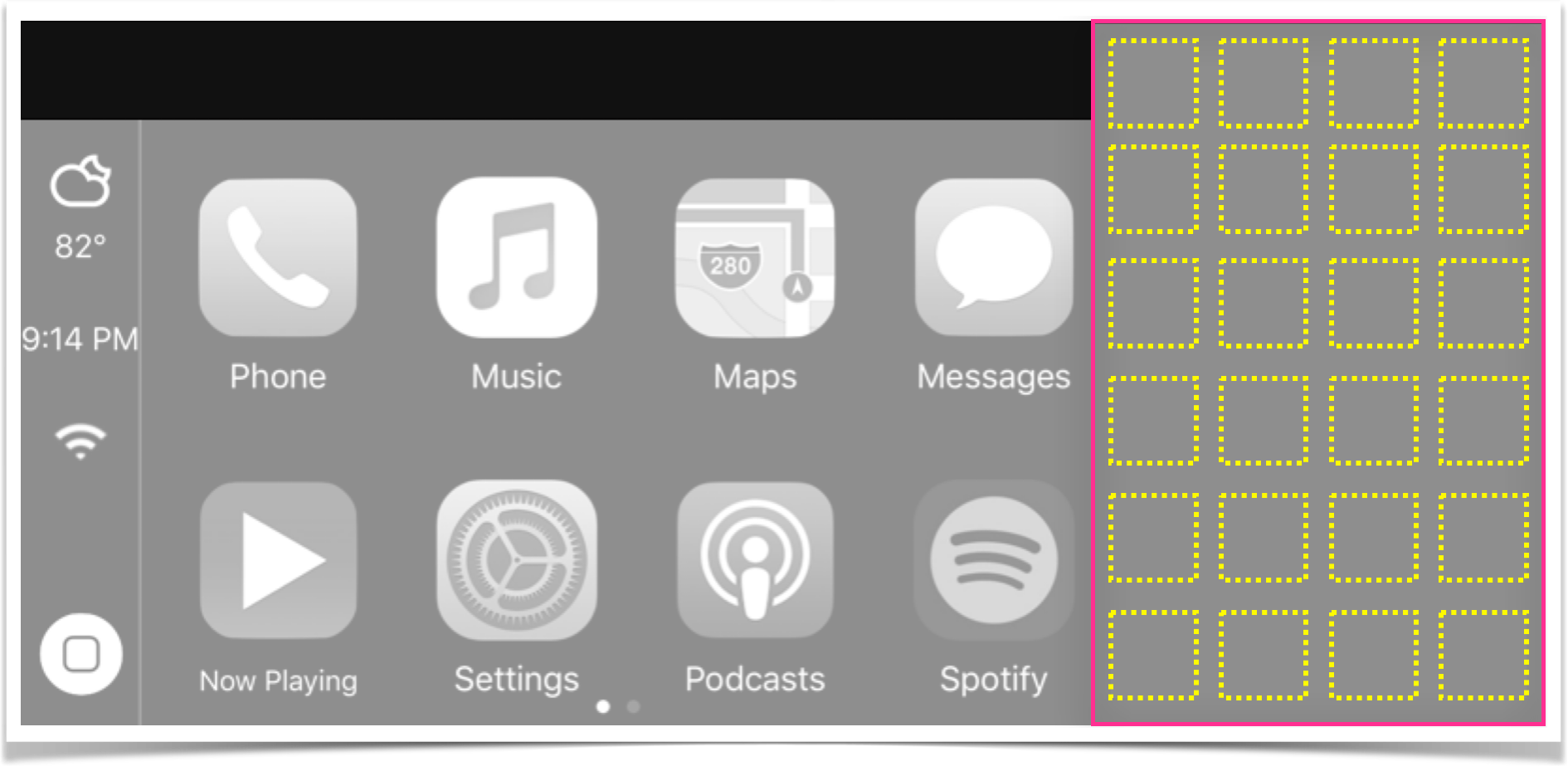
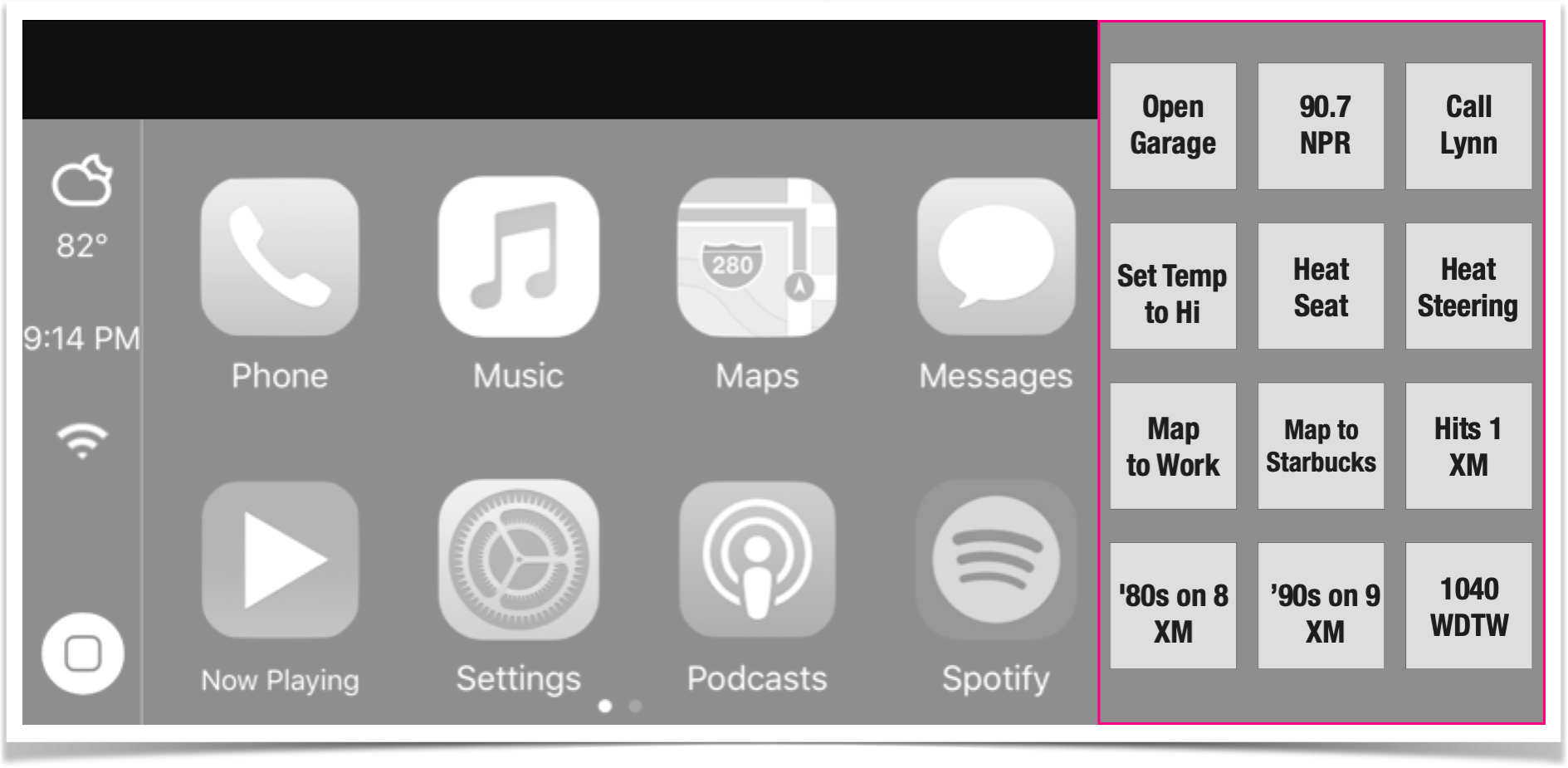
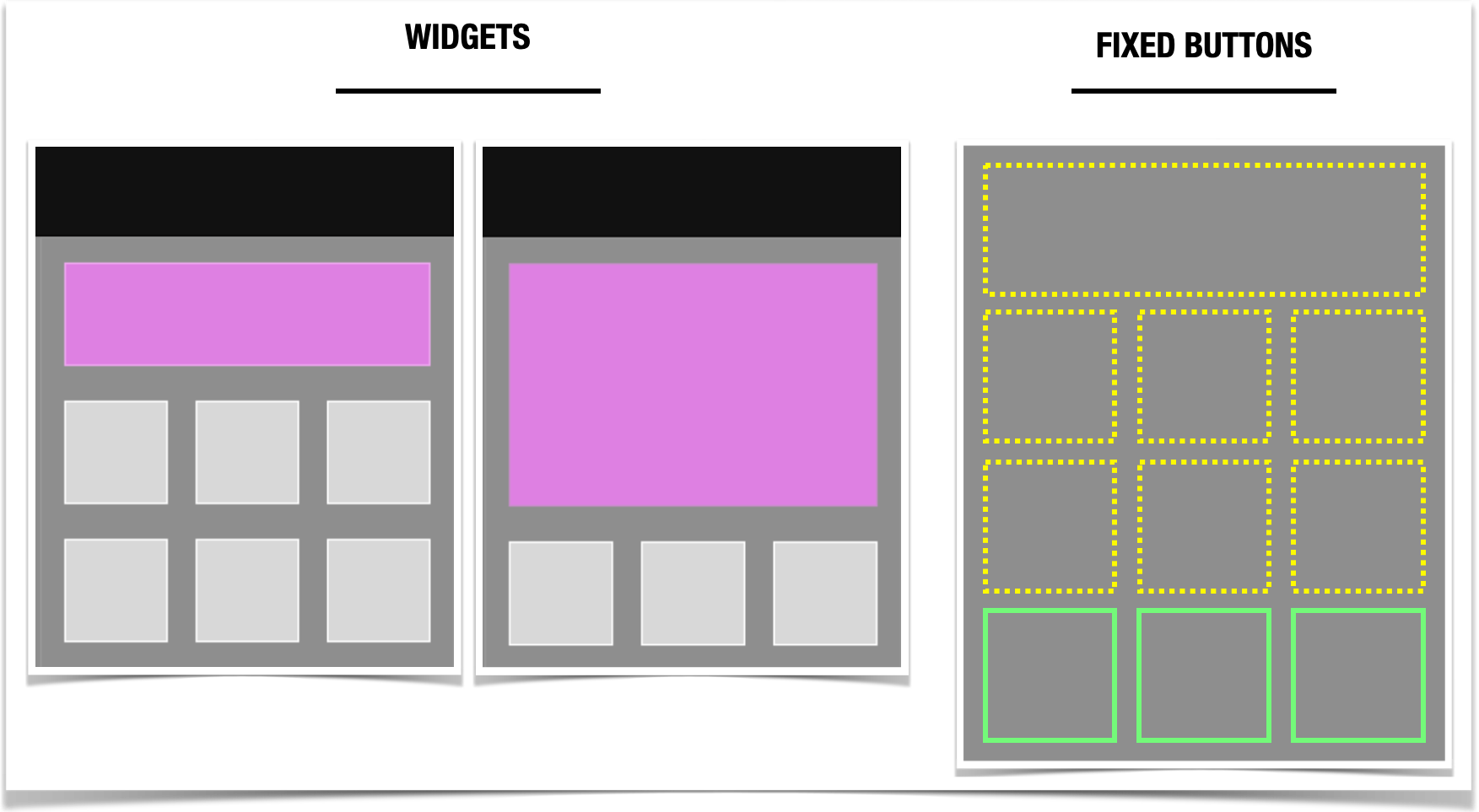
Based on those findings, we developed a new user interface with a dedicated space for “smart buttons” — action buttons that the system learned you performed regularly given the inputs of location, time of day, trip route etc.
We used these wireframes to do some initial low-fidelity testing. Based on those successful results, we made increasingly more elaborate mock-ups and prototypes to simulate the experience of a smart radio.
Our efforts culminated in a iPad adhered inside of an F-150, being driven around a closed test track with users simulating those user scenarios.
Results
The testing gave us incredible results. What we learned was that there were three critical outcomes to ML-driven infotainment solutions:
- Reduced Driver Distraction — We reduced the time drivers looked away from the road by 3 seconds (avg.) for each task prioritized.
- Reduced Level of Effort — We reduced the number of taps for each prioritized task by three taps on average.
- Reduced Costs — By removing infrequently used hardware, such as garage door buttons, we were not only able to reduce costs for buttons and wiring, we were able to reduce production complexity and time.
We shared these results with Ford leadership while demonstrating a more polished version of the interface on a test bench. Bosch and Ford entered into a project partnership to further develop the ML Radio for future Ford vehicles.